
Diaper Rash Prevention Guide 2026 | Expert Tips for Keeping Baby's Skin Clear
Diaper rash is one of the most common conditions babies face — affecting up to 50% of infants at some point — but it's also one of the most preventable. With the right approach to diaper selection, changing routines, and skin care, most cases of diaper rash can be avoided entirely. This comprehensive guide covers everything you need to know to keep your baby's skin clear and comfortable.
What Causes Diaper Rash?
Understanding the root causes helps you target prevention effectively. Diaper rash isn't a single condition — it's a catch-all term for skin irritation in the diaper area caused by several factors working alone or together.
Prolonged Moisture Exposure
The number one cause. When wet or soiled diapers sit against skin too long, the moisture breaks down the skin's natural barrier. Urine also raises skin pH, making it more susceptible to irritation from stool enzymes. This is why changing frequency is the single most impactful prevention measure.
Friction and Chafing
Diapers that are too tight, too loose, or made from rough materials rub against delicate skin with every movement. Over time, this friction creates raw, irritated patches — especially around the legs and waist where elastic bands sit.
Chemical Irritants in Diapers
Fragrances, chlorine bleaching residues, dyes, latex, and lotion coatings found in many conventional diapers can trigger contact dermatitis. Babies with sensitive skin or eczema are particularly vulnerable to these chemical irritants.
Yeast and Bacterial Infections
The warm, moist environment inside a diaper is ideal for yeast (Candida) and bacteria to thrive. These infections cause a different type of rash — typically brighter red with small satellite spots — that requires antifungal treatment rather than standard barrier cream.
The 7-Step Diaper Rash Prevention Protocol
Step 1: Change Every 2-3 Hours (or Immediately After Bowel Movements)
This is non-negotiable. The longer moisture sits against skin, the more damage it does. Set a timer if needed. For overnight, use a high-absorbency diaper that wicks moisture away from the skin surface and change first thing in the morning.
Step 2: Choose the Right Diaper
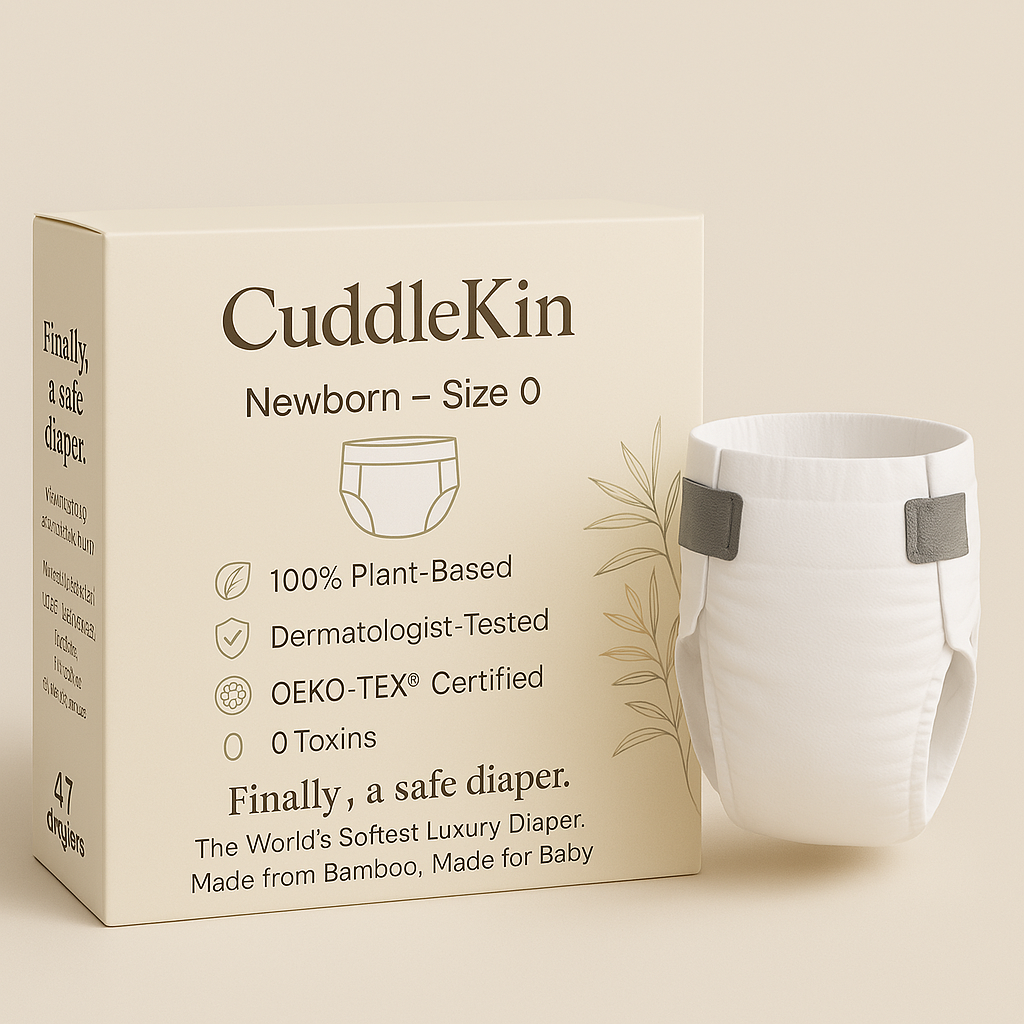
Select diapers that are fragrance-free, chlorine-free (TCF), latex-free, and made without lotions or chemical treatments. Bamboo-based diapers like CuddleKin excel here because bamboo is naturally hypoallergenic and antibacterial. The absorbent core pulls moisture away from skin faster than standard materials.
Step 3: Clean Gently
Use fragrance-free, alcohol-free wipes or plain warm water with a soft cloth. Avoid scrubbing — gently pat the area clean. For newborns and babies with active rashes, plain water is gentlest. Always wipe front to back.
Step 4: Dry Thoroughly Before Diapering
Pat skin completely dry before putting on a fresh diaper. Trapping moisture under a new diaper creates the same problem you're trying to prevent. Let the area air-dry for 30-60 seconds if possible.
Step 5: Apply Barrier Cream
Use zinc oxide barrier cream at every change as a preventive layer. Zinc oxide creates a physical barrier between skin and moisture without clogging pores. Apply a thick layer — you should be able to see the white cream. Popular effective options include products with at least 40% zinc oxide.
Step 6: Allow Diaper-Free Time
Give your baby at least 15-30 minutes of diaper-free time daily. Lay them on a waterproof mat or towel and let their skin breathe. Air exposure is one of the most effective rash prevention and healing strategies. Many parents build this into the post-bath routine.
Step 7: Monitor and Adjust
Pay attention to patterns. If rashes appear after starting a new diaper brand, food, medication, or soap — that's your clue. Track changes and you'll quickly identify triggers specific to your baby.

Diaper Rash Prevention: Product Comparison
| Prevention Method | Effectiveness | Cost | Ease of Use |
|---|---|---|---|
| Hypoallergenic diapers (CuddleKin) | ★★★★★ | $0.35/diaper | ★★★★★ |
| Zinc oxide barrier cream | ★★★★★ | $8-15/tube | ★★★★ |
| Frequent diaper changes | ★★★★★ | Free (more diapers used) | ★★★ |
| Diaper-free time | ★★★★ | Free | ★★★ |
| Petroleum jelly | ★★★ | $5-8/jar | ★★★★★ |
When to See a Doctor
Most diaper rashes resolve within 3 days with proper home care. However, you should contact your paediatrician if the rash doesn't improve after 3 days of treatment, the rash is bright red with satellite spots (possible yeast infection), there are blisters, pus, or open sores, your baby has a fever alongside the rash, or the rash spreads beyond the diaper area.
Related reading: best diapers for sensitive skin, non-toxic diapers guide, best overnight diapers.
Frequently Asked Questions
How often should I change my baby's diaper to prevent rash?
Every 2-3 hours during the day and immediately after bowel movements. Overnight, use a high-absorbency diaper and change first thing in the morning.
Does diaper brand really matter for rash prevention?
Yes significantly. Diapers with fragrances, chlorine, and chemical treatments are known irritants. Switching to a clean, hypoallergenic brand like CuddleKin often resolves chronic rash issues within days.
Is coconut oil good for diaper rash?
Coconut oil has some antimicrobial properties and can work as a mild barrier, but it's not as effective as zinc oxide for prevention. It can be useful as a supplementary moisturiser but shouldn't replace a dedicated barrier cream.
Can teething cause diaper rash?
Yes. Teething often increases saliva production, which babies swallow, leading to more acidic stools that irritate the diaper area. During teething phases, increase your changing frequency and barrier cream application.
What's the fastest way to heal an existing rash?
Maximum diaper-free time, thick zinc oxide barrier cream during diapering, frequent changes every 1-2 hours, and switching to the gentlest diaper available. Most mild rashes clear within 24-48 hours with this aggressive approach.