
Postpartum Diapers for Mom 2026 | Best Adult Incontinence Options After Birth
Nobody talks about the postpartum diaper — but every new mom needs one. After giving birth, whether vaginally or by C-section, you'll experience lochia (postpartum bleeding) that lasts 2-6 weeks. Regular menstrual products aren't up to the task, especially in the first week when flow is heaviest. That's where postpartum diapers come in — and choosing the right ones makes a real difference in your comfort during recovery.
What to Expect After Birth: The Honest Version
Postpartum bleeding (lochia) is completely normal and happens regardless of whether you had a vaginal delivery or C-section. It's your body shedding the uterine lining that supported pregnancy. In the first 2-3 days, flow is heavy — comparable to the heaviest period you've ever had, and then some. It gradually lightens over 2-6 weeks, transitioning from bright red to pink to brownish to clear discharge.
During the heaviest phase, regular menstrual pads — even overnight ones — are often insufficient. Many new moms discover this the hard way with ruined underwear and bedsheets in the first days home. Adult incontinence briefs (postpartum diapers) solve this completely by providing full coverage and hospital-grade absorbency.
Postpartum Diaper Timeline
| Timeframe | Flow Level | Best Product | Changes/Day |
|---|---|---|---|
| Days 1-3 | Very heavy | Postpartum diaper (adult brief) | 4-6 |
| Days 4-10 | Heavy to moderate | Postpartum diaper or heavy pad | 3-5 |
| Weeks 2-3 | Moderate | Heavy menstrual pad | 3-4 |
| Weeks 3-6 | Light | Regular pad or panty liner | 2-3 |
What to Look for in Postpartum Diapers
Absorbency
The most important factor. Postpartum flow in the first week can be significantly heavier than any period, with occasional gushes. Choose the highest absorbency rating available — this isn't the time for "moderate" options.
Comfort and Softness
Your perineal area is likely sore, swollen, or healing from stitches. Rough, stiff materials against recovering tissue is miserable. Look for soft mesh exteriors and smooth linings that won't irritate sensitive skin.
Fragrance-Free
Your healing tissues are extremely sensitive to chemical irritants. Fragrance in postpartum diapers can cause burning, stinging, and delayed healing. Always choose fragrance-free options.
Full Coverage Design
Unlike pads that can shift, postpartum diapers provide 360-degree coverage. This means no worrying about positioning, no leaks onto clothing or bedding, and one less thing to think about during an overwhelming period.
Easy to Change
After a C-section or with perineal stitches, bending and reaching is painful. Tear-away sides make changes easier when you're healing and mobility is limited.
Postpartum Hospital Bag Checklist
Pack 10-15 postpartum diapers in your hospital bag alongside your baby's supplies. While hospitals provide mesh underwear and large pads, many moms find purpose-made postpartum diapers more comfortable and secure. Also pack: 2-3 pairs of high-waisted, soft underwear for later transition, perineal spray or sitz bath supplies, a peri bottle for gentle cleansing, and loose, comfortable clothing that doesn't press on your abdomen.
The Connection: Taking Care of Mom While Taking Care of Baby
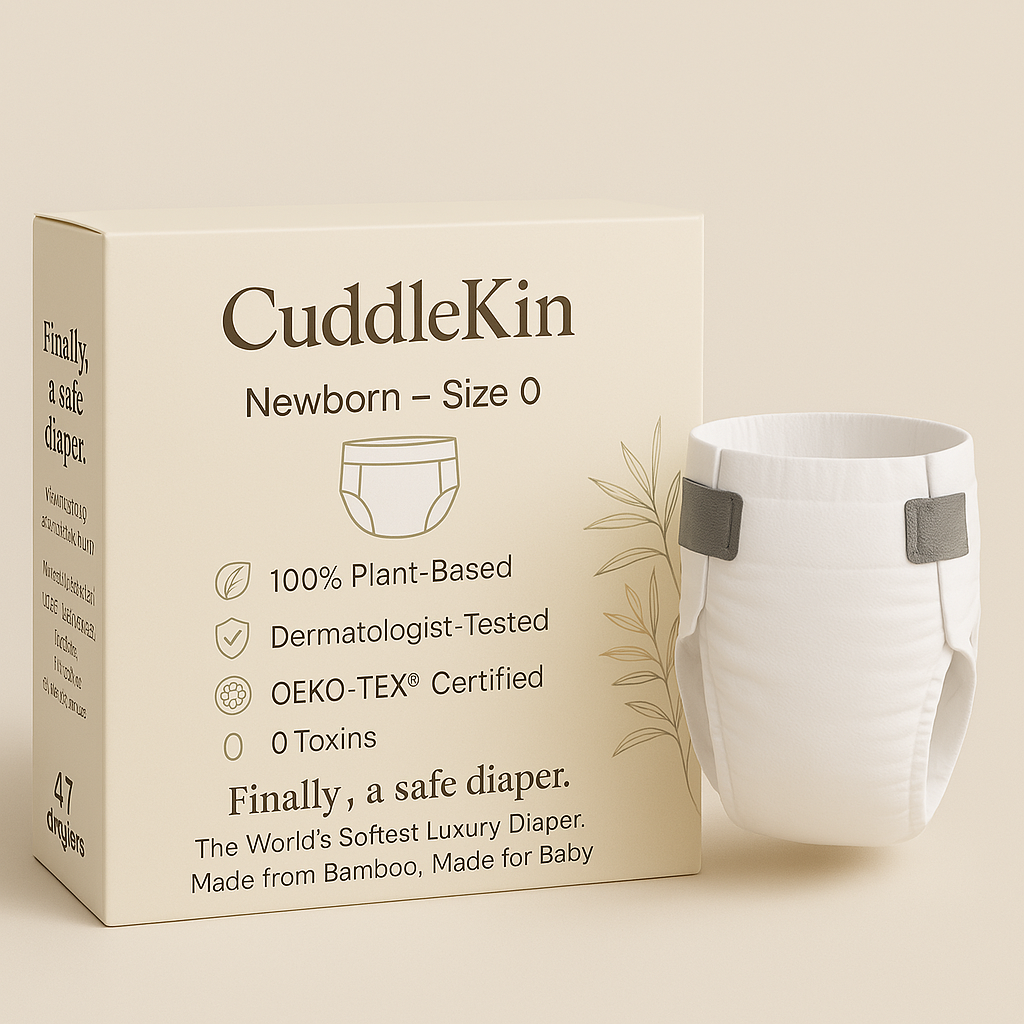
At CuddleKin, we believe that caring for your baby starts with caring for yourself. When you're comfortable and recovering well, you're better able to care for your newborn. That's why we advocate for honest conversations about postpartum recovery — including the products you actually need. Pair your postpartum essentials with CuddleKin diapers for baby, and both of you start this journey with the gentlest, cleanest products available.
More for new parents: newborn diaper checklist, sensitive skin diapers, rash prevention guide.
Frequently Asked Questions
How many postpartum diapers do I need?
Plan for 20-30 for the first two weeks. Usage is highest in the first 3-5 days (4-6 per day), then decreases as flow lightens.
Are postpartum diapers the same as adult incontinence briefs?
Functionally, yes. Some brands market specific "postpartum" versions with softer materials, but high-quality adult incontinence briefs work equally well. The key is choosing fragrance-free, soft options.
When can I switch from postpartum diapers to pads?
Most moms transition to heavy menstrual pads around days 7-10, when flow decreases to moderate levels. By weeks 3-4, regular pads or panty liners are usually sufficient.
Is postpartum bleeding different after C-section?
Lochia occurs after both vaginal and C-section births, though it may be slightly lighter after C-section since some uterine lining is removed during surgery. You'll still need postpartum diapers for the first 1-2 weeks.